Wisdom Teeth and Extractions
Gentle Dental Care

If your wisdom teeth are painful or unable to erupt, you may need them extracted. Our wisdom teeth removal procedure provides you with instant relief.

Wisdom Teeth and Extractions | Dentist

Wisdom Teeth and Extractions

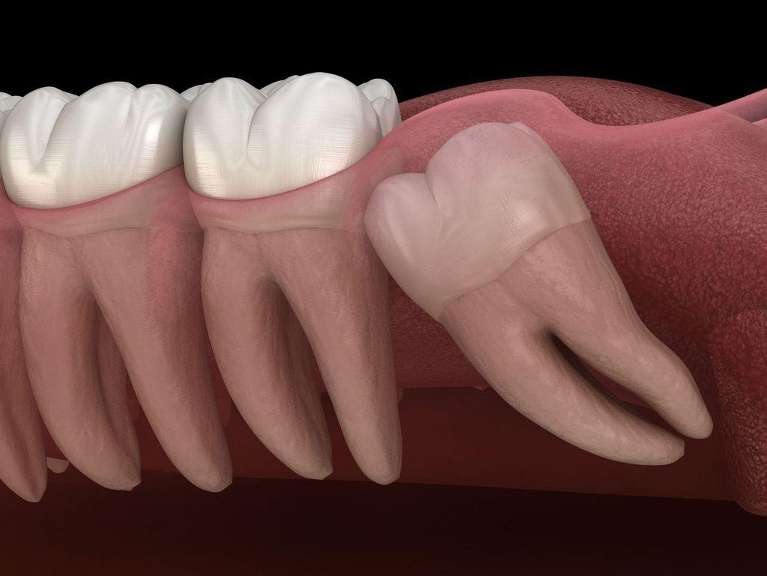
Are you experiencing pain or discomfort from wisdom teeth that haven’t yet pushed through your gums? They may be impacted, possibly infected and unable to erupt. Here to help manage your oral health and well-being, our routine wisdom teeth removal procedure will provide you with instant relief. Request an appointment today for wisdom teeth check up & wisdom teeth removal at our Shepparton clinic. 

What Does Wisdom Teeth Removal Procedures Entail?

Does everyone have wisdom teeth?

Most people have between one and four wisdom teeth, although some won’t have any at all. A dental scan will ascertain if you do have wisdom teeth. It will also reveal their orientation and we’ll be able to determine if there’s enough space available for them to erupt. 

Do All Wisdom Teeth Need to be Removed?

Some wisdom teeth may erupt smoothly and cause no problems. However, if they’re impacted under the gum, they can cause pain, gum infections and in severe cases, damage to your second molar teeth. 

While painkillers may help control mild pain and antibiotics or a saltwater wash can help relieve an infected wisdom tooth, these are short-term solutions. This is why, if they’re unable to erupt, we’ll generally recommend a wisdom teeth removal procedure. it’s recommended to familiarise yourself with common impacted wisdom teeth symptoms. 

What Does a Wisdom Tooth Extraction Procedure Involve?

Step 1: We’ll take a dental scan 

After completing a dental scan, we’ll be able to advise you on whether your wisdom teeth need to be removed.  

Step 2: We’ll determine the best extraction procedure 

If your teeth have simple anatomical shapes, we can extract them under a local anaesthetic, here at our practice. Alternatively, if your wisdom teeth are an irregular shape or are severely impacted, we may need to remove them under a general anaesthetic in hospital. In some cases, we may also refer a wisdom teeth removal to a specialist oral surgeon. 

In any of the above scenarios, we’ll always take the time to explain the process, aftercare and long-term benefits, tailoring a dental treatment just for you. 

Step 3: Wisdom teeth aftercare 

To ensure a speedy recovery, we provide you with a detailed aftercare plan. While you may experience swelling, some bleeding and possible bruising, these should subside within the first 24 hours. Our recommended aftercare plan includes the following tips: 

  • Apply firm pressure on the gauze placed over the extraction site for at least 30 minutes.
  • Avoid eating or drinking anything that’s too hot or cold for the rest of day. Also, avoid drinking from a straw for the first 24 hours.
  • Eat soft foods for 48 hours after the procedure, chewing on the opposite side to the extraction site.
  • Do not rinse the area for 24 hours. After 24 hours, rinse gently with warm, salty water for the next two weeks.
  • If there is persistent bleeding from the site, place a clean gauze pack on it and bite firmly for another 20 minutes.
  • Avoid drinking alcohol, smoking or strenuous activity for three days following the procedure.
  • The site may be uncomfortable for 7 – 10 days after the procedure and taking the recommended dosage of paracetamol or Nurofen will ease any discomfort. 

Generally, your wisdom tooth socket should take between 2 to 4 weeks to heal the gum tissue. The underlying bone will heal in approximately 6 months. 

If you experience excessive bleeding or there is continued pain, fever or swelling, we urge you to get in touch with our team. We’re here to help and will be able to provide the best advice to ensure your quick recovery and ongoing wellbeing. 

Frequently Asked Questions

Sealants are protective coatings applied to the chewing surfaces of molars, filling in grooves where food and bacteria may accumulate. They are especially helpful in preventing cavities in children and teens.

Not necessarily. If wisdom teeth erupt without issues and align well, they can remain. However, many people have them removed due to crowding or alignment problems.

Regular brushing and flossing, especially reaching back to clean the molars, along with routine dental check-ups, are key to maintaining healthy molars. A diet with crunchy fruits and vegetables also promotes molar health.

Tooth Extraction: The Why, When and How

While tooth extraction procedures were once quite common, advances in dentistry now allow us to save teeth with both preventative and operative treatments. But what happens if your tooth is damaged or decayed beyond repair? Let’s walk you through the steps.

What Does a Tooth Extraction Procedure Entail?

When is a tooth extraction required?

While our aim is always to save your tooth, you may require an extraction if: 

  • Your tooth is badly broken down from decay or trauma
  • You have periodontal disease and the supporting tissues have lost their strength
  • Your teeth are overcrowded
  • You have irreparable vertical cracks in your teeth
  • Your teeth or wisdom teeth are impacted and are unable to break through the gums

What Are the Steps Involved?

Generally requiring only one visit, our caring team will provide you with a thorough overview of our tooth extraction procedure, so you know exactly what to expect.  

The steps for a routine extraction include: 

  • We’ll take an x-ray of your damaged tooth, which allows us to assess the root structure and plan the safest way to extract the tooth with minimal damage to its surrounds (eg. nerves and sinuses).
  • We’ll apply a local anaesthetic to numb the tooth and gum, ensuring that the procedure is pain-free. If you require a more involved tooth extraction, we may recommend the use of conscious sedation (gas) or a general anaesthetic before proceeding.
  • Our experienced dentist will then loosen the tooth. You may feel some pressure during this step, which is a result of rocking the tooth to loosen it.
  • We’ll remove the tooth, remove any infected tissue and compress the tooth socket to close it. If your tooth has been surgically removed, you may require stitches – we’ll advise you on this before the procedure.
  • Our dental assistant will provide you with a folded gauze to place over the tooth socket and ask you to bite down on it to help control any bleeding. 

Tooth Extraction Aftercare

After your tooth extraction, we’ll provide you with detailed information on how to care for it at home. This the following includes tips: 

  • Apply firm pressure on the gauze placed over the extraction site for at least 30 minutes.
  • Avoid eating or drinking anything that’s too hot or cold for the rest of day. Also, avoid drinking from a straw for the first 24 hours.
  • Eat soft foods for 48 hours after the procedure, chewing on the opposite side to the extraction site.
  • Do not rinse the area for 48 hours. After 48 hours, rinse gently with warm, salty water for the next two weeks.
  • If there is persistent bleeding from the site, place a clean gauze pack on it and bite firmly for another 20 minutes.
  • Avoid drinking alcohol, smoking or strenuous activity for three days following the procedure.
  • The site may be uncomfortable for 7 – 10 days after the procedure and taking the recommended dosage of paracetamol or Nurofen will ease any discomfort. 

If you experience excessive bleeding or there is continued pain, fever or swelling, we urge you to get in touch with our team. We’re here to help and will be able to provide the best advice to ensure your quick recovery and ongoing wellbeing. 

  • Dr Silibaziso Ncomanzi BDS

    Silibaziso, known to patients and colleagues as Dr Ncomanzi, graduated from James Cook University and began her dental career in 2023. That same year she joined the team at Knight ...

    Read More
  • Dr Nihir Shah

    Dr Shah has been at the heart of Knight Street Dentists since taking over the practice in 2017. He has built a compassionate, friendly and vibrant culture, leading a professional ...

    Read More
  • Dr Aws Sahib

    Aws is dedicated to providing quality dental care with a personal touch. He enjoys building genuine connections with his patients, whether chatting about weekend activities, travel plans or shared interests, ...

    Read More

Do Wisdom Tooth Extractions Hurt?

You may feel pressure during the procedure, but the area will be numbed to minimise pain. After the extraction, discomfort or soreness is common, but this can be managed with prescribed or over-the-counter pain relief.

How Much Does a Tooth Extraction Cost?

The cost of a tooth extraction depends on the complexity of the procedure. It’s best to contact us for an accurate quote based on your specific needs.