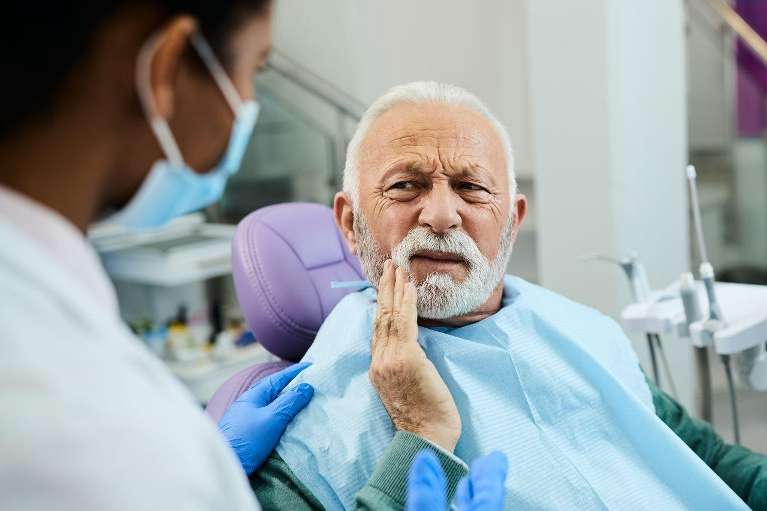
General Dentistry
Your Smile Deserves the Best Care

General dentistry deals with the well-being of the entire mouth and allows our friendly dentists to outline an overall picture of your dental health.

General Dentistry | Dentist

General Dentistry

The services included in general dentistry are prevention, diagnosis, and therapy of diseases affecting your teeth, gums, jaw, tissues, and the membranes of your mouth. As an adult, you may have an overwhelming fear of the dentist because people often associate dentists with pain. The fact is, there is enough modern technology to confidently say that general dentistry work does not hurt.

Taking care of your teeth is an important aspect of enjoying a good quality of life. You may not realise it, but that extra effort you put into keeping your mouth clean helps keep bacteria at bay. Excessive bacteria in your mouth can lead to gum disease and tooth decay. A well-tended mouth will allow you to smile freely around others and enjoy your life to the fullest.

The importance of proper oral hygiene has been known ever since the dawn of time and the role of the general dentist has become indispensable. Our general dentists diagnose, treat, and prevent diseases of the teeth and provide you with valuable guidance about various dental health-related topics.

Beautiful teeth convey health, vitality, and self-confidence because they make a friendly face even more attractive and give a positive aura. Our general dentistry services guarantee the best results for beautiful and healthy teeth—for a lifetime!


Frequently Asked Questions

Generally, we recommended you visit your dentist at least twice a year. However, everyone’s needs are different, so it’s best to chat with your dentist. Based on the condition of your mouth, teeth and gums, they’ll be able to provide you with tailored guidance.

If you’re subject to high-risk factors, such as diabetes, smoking, or have a family history of dental problems, your dentist may suggest that you increase your visits.

Regular dental check-ups enable your dentist to conduct a complete examination of your teeth, mouth and gums. This will help detect and treat any problems early on or prevent them from developing altogether.

It’s rare, if not impossible that a dental issue goes away on its own, so early detection, treatment, and prevention can save you money, time, and discomfort. Issues like gum disease and oral cancer can also have serious consequences to your health if they aren’t addressed early enough.

Having your teeth regularly cleaned by a professional can further reduce your risk of developing other dental and health problems.

Some dental problems won’t be noticeable to you at home, which is why it’s important to get regular check-ups (this is doubly true if you have a history of decay). For instance, gum disease often develops without people noticing and they may only act on it when they experience bleeding gums or severe discomfort.

There are some warning signs that you can spot yourself at home. These include:

  • gums that are swollen, tender or bleed when you brush or floss
  • dental pain while chewing
  • persistent bad breath
  • loose teeth
  • consistent bad taste in the mouth
  • teeth that are unusually sensitive to temperature

Some dental problems won’t be noticeable to you at home, which is why it’s important to get regular check-ups (this is doubly true if you have a history of decay). For instance, gum disease often develops without people noticing and they may only act on it when they experience bleeding gums or severe discomfort.

There are some warning signs that you can spot yourself at home. These include:

  • gums that are swollen, tender or bleed when you brush or floss
  • dental pain while chewing
  • persistent bad breath
  • loose teeth
  • consistent bad taste in the mouth
  • teeth that are unusually sensitive to temperature

Plaque is a whitish sticky biofilm that forms constantly on your teeth. It develops mainly in hard to reach places – between your teeth, on the back of your teeth and along the gum line.

The reason why plaque is bad for your oral health is that it contains and protects billions of bacteria. The acidic by-products of these bacteria damage your teeth leading to tooth decay, cavities and ultimately gum disease, if left untreated.

Over time plaque can harden into tartar which makes it impossible to remove unless you visit your dentist for a scale and clean. The good news is that you can prevent tartar easily by removing plaque with thorough brushing and flossing in all areas of your oral cavity – including the hard to reach places. These areas are most vulnerable to plaque and its effects because plaque can accumulate and develop undisturbed for long periods.

What Does General Dentistry Include?

Cleaning

To maintain proper oral health, keeping the teeth very clean is essential. Food particles often get stuck between the teeth and act as a breeding place for bacteria. Bacterial infections can cause dental cavities, bad breath, and inflammation of the gums. To prevent these conditions and maintain proper health, it is essential to consult or see the dentist at least once every six months.

Fillings

Part of general dentistry is performing fillings to treat dental cavities. Cavities are formed as a result of bacterial action on the teeth. Bacteria secrete various corrosive acids to the teeth, leading to the formation of caries. Fillings are usually made from porcelain or metals such as gold or amalgam.

Whitening

Teeth whitening is a cosmetic procedure. Our teeth can become discoloured for many reasons. For example, consuming tea or coffee can regularly stain our teeth. Smoking is another reason for teeth discoloration. Dentists use bleaching agents such as hydrogen peroxide to restore the appearance of natural teeth. Teeth whitening has to be performed every once because teeth can become discoloured again after some time.

General Dental Check-Up

Most of us will think of scheduling an appointment with the dentist only when we have an acute toothache. After all, why go to a dentist if you do not have a problem right? Wrong! The truth is a toothache is a sign that tooth decay has already progressed to a more advanced stage. Regular dental check-ups allow your dentist to spot potential problems and take corrective action before the problem becomes more severe and requires more extensive treatment. During a routine dental check-up, our dentist will also screen for oral cancer, which could save your life. When detected in the early stages, oral cancer can be managed successfully.

During a routine check-up, your dentist will first check with you about any concerns about your teeth and ask you about your general health and any medications you may be on. Then a thorough oral examination will be carried out where your dentist will check for early signs of tooth decay and gum disease and any signs of oral cancer. The dentist will also check your teeth for any signs of cracks or erosion and examine your existing fillings, bridges, or crowns to ensure they are intact with no signs of cracks or decay. X-rays may be taken if necessary to check for any tooth decay in areas that cannot be visually examined or any suspicion that you may have some problems with the roots of any teeth.


Your General Dental Check-Up Schedule

The recommended schedule for regular dental check-ups is twice a year. However, certain medications, genetics, or some other factors may make you more predisposed to developing tooth cavities and other oral problems. In that case, it is a better idea to schedule an appointment with your dentist more often. It is best to speak to your dentist about what schedule would work best for you.

We would be happy to welcome you every six months for a check-up. This detailed examination focuses on caries diagnostics and early detection of periodontitis. If there are indications of these diseases during the visual examination, digital, low-radiation x-rays may be taken for further clarification. We also get an overview of your jaw joints and look at the entire mucous membrane of the oral cavity as part of cancer screening.

General Paediatric/Adolescent Dentistry

Our little patients are particularly important to us. A child-friendly and sensitive treatment plays an important role in general dentistry.

We introduce your children to dental care and dental treatment in a playful way, get them used to the dental environment and create an atmosphere free of fear and stress. With individual, regular prevention, proper nutrition, and dental care right from the start, teeth can be kept healthy for life.

If you are interested in general dentistry or family dentistry services, contact our clinic for additional information. Our professional dental team is available to answer any questions you may have. 

Our experienced dental team offers a wide range of general dentistry services to keep the entire family excellent oral health.

  • Dr Silibaziso Ncomanzi BDS

    Silibaziso, known to patients and colleagues as Dr Ncomanzi, graduated from James Cook University and began her dental career in 2023. That same year she joined the team at Knight ...

    Read More
  • Dr Nihir Shah

    Dr Shah has been at the heart of Knight Street Dentists since taking over the practice in 2017. He has built a compassionate, friendly and vibrant culture, leading a professional ...

    Read More
  • Dr Aws Sahib

    Aws is dedicated to providing quality dental care with a personal touch. He enjoys building genuine connections with his patients, whether chatting about weekend activities, travel plans or shared interests, ...

    Read More

Root Canal Treatment

Our gentle root canal treatment will have you feeling 100% again

Are you experiencing extreme dental pain? Worried that your tooth may be infected? You may need root canal treatment. And while many tend to panic when they hear the three words ‘root canal treatment’, our careful therapy and empathetic approach will have you pain-free after your first appointment. What a relief!

Root Canal Treatment at Knight Street Dental Clinic

Identifying Whether You Need Root Canal Therapy

Root canal therapy or endodontic treatment is required when the pulp (the soft tissue inside a tooth’s root canal) becomes inflamed or infected. When a tooth’s nerve or blood supply is damaged—usually due to trauma or decay—infection can spread within the root system of the tooth, causing root canal pain.

Will the Root Canal Procedure Hurt?

A common myth that the root canal procedure is itself painful, stems from historical practices. However, rest assured that with advances in local anaesthesia and pain-relief medication, root canal therapy can be completed, pain-free. Now, that’s what we all like to hear!

What Does Root Canal Therapy Involve?

Root canal therapy is a multi-phase process. The steps include: 

  • At your first appointment, we’ll anaesthetise your tooth and ensure it’s completely numb. We’ll then clean the tooth including the nerve chamber and will remove the damaged pulp. This allows the tooth to begin healing and also relieves the pain.
  • During your second visit, we’ll place a filling in the roots of your tooth to prevent the infection from reoccurring.
  • Depending on the level of tooth damage, we may book you in for a third visit to restore and strengthen your tooth with a crown. 

Requiring several visits to our dental practice, we understand that the thought of root canal therapy can be a little scary. Here to put you completely at ease, we take the time to talk you through each step involved, always ensuring that you’re comfortable. We’ll be just like family once your treatment is complete (but be warned, we may expect a Christmas present!) 

Do I Need Root Canal Treatment?

A root canal treatment is necessary when the pulp inside your tooth, which contains nerves and blood vessels, becomes infected. Symptoms that may indicate you need root canal therapy include severe pain when biting down on a tooth, discolouration of a tooth, swelling around the gum area or having an abscess (a pimple-like bump) on your gums.

How Much Does Root Canal Treatment Cost?

The cost of root canal treatment depends on several factors, including the complexity of the procedure, the materials used, and whether it is being performed by a general dentist or an endodontist. We recommend that you discuss all costs with your dentist prior to beginning any treatment.

How Long Does a Root Canal Take?

Root canal treatment usually requires multiple appointments. The total treatment time is dependent on the complexity of the procedure. During your initial appointment, the dentist will assess the condition of your tooth and make a plan for how to best treat it. After this, they will begin to remove any infected or damaged tissue inside the tooth. They will then fill and seal the tooth.

Is Root Canal Treatment Better than Extracting the Tooth?

In most cases, saving your natural tooth through a root canal treatment is preferable to extraction. It helps maintain the structure and function of your bite, preventing the need for implants or bridges.

Can I Drive Home after Root Canal Treatment?

Yes, most patients are able to drive themselves home after a root canal unless sedation has been used. If you have received sedation, it’s advised to arrange transport.